
Emergency Dentist Charleston
Preventing Panic with Immediate Dental Solutions
Before you start to panic over a cracked or fractured tooth, know that Elevate Dentistry Charleston offers same-day emergency appointments so patients can receive prompt dental care when a crisis occurs. By simply calling our Charleston dental office, we can ease your anxiety and get you in without delay.
Why Choose Elevate Dentistry Charleston for Emergency Dentistry?
- Same-Day Dental Emergency Appointments Available
- Two Forms of Sedation Dentistry – Nitrous Oxide & Oral Conscious
- Low-Cost In-House Dental Membership Plan
How We Treat Dental Emergencies
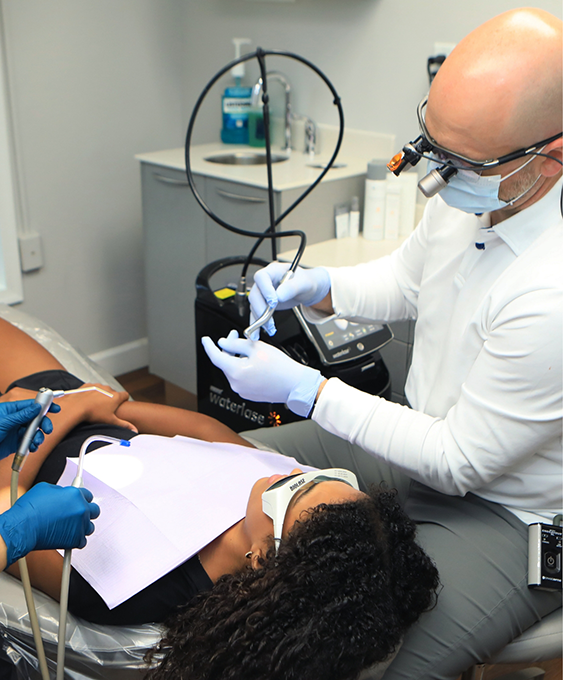
Treating a dental emergency first requires that you call our office as soon as you can. The faster you alert our team, the quicker we can get you in to see Dr. David for immediate care. Dr. David reserves special time for emergency calls every day.
Once in our office, we will address your pain and identify the affected area using enhanced digital imaging and a visual examination. After collecting our findings and crafting a plan, we will go over the details with you before administering the appropriate treatment and relieving your pain.
The Most Common Dental Emergencies
Although you may not know whether you are dealing with a dental emergency, trust that it’s always best to call and speak to a member of our team here at Elevate Dentistry Charleston. If you want to learn more about the types of dental injuries we can treat in our Charleston dental office, click on the icons below.
Keys to Preventing Dental Emergencies
Elevate Dentistry provides timely emergency care for patients who sustain dental injuries. However, we want each person to understand how they can avoid these problems from the start. Not all situations are avoidable, but there are steps you can take to lower your risk of needing emergency assistance in the future.
See Your Dentist Every Six Months
Biannual visits to our dental office are essential to prevent dental emergencies in Charleston. Our team of experts will not only thoroughly examine your teeth and gums for signs of infection or damage, but we’ll also clear any plaque and tartar, leaving your smile healthier and happier. By addressing problems early, we can minimize the need for more extensive treatment in the future and help ensure a damage-free smile in the year ahead.
Practice Good Oral Hygiene
It’s easy for bacteria and food debris to become trapped in the pits and crevices of your smile. This is why brushing twice a day for two minutes with fluoride toothpaste, flossing at least once before bed, and rinsing with an ADA-approved mouthwash are important. Practicing good oral hygiene helps prevent nagging toothaches and infections that can develop over time and require immediate care.
Be Mindful of What You Eat
Sugar and starch are known to cause cavities and gum disease, but even hard, crunchy foods can lead to dental damage that requires repair. By ensuring a nutritious diet full of leafy greens, lean protein, low-fat dairy, and fresh fruits and vegetables, you improve your oral and overall health. Also, by limiting your consumption of hard foods, you avoid potentially chipping or cracking a tooth and an unexpected visit to the emergency dentist’s office.
Wear a Mouthguard to Protect Your Teeth
Engaging in sports or athletic activities is a great way to stay in shape, but you need proper mouth protection to avoid dental injuries. This is why you are encouraged to ask about a custom mouthguard you can wear during the game. If it’s not sports you’re concerned about, but teeth grinding and clenching, a custom nightguard can also be provided to protect your smile from enamel erosion and jaw pain.
Use Tools to Open Packages, Not Your Teeth
Your teeth are strong, but they can still suffer from breaks, cracks, and chips. This is why you should take the few extra minutes to locate the proper tool to open a container or package. Teeth are not meant to be used as tools. When they fracture or break, they require extensive restorative care to repair. However, when using scissors, pliers, or other similar tools, your smile stays safe – a win-win situation.
Emergency Dentistry FAQs
Will my toothache go away on its own?
Teeth, unlike the rest of your body, can’t repair cavities or more severe damage on their own. When you get a cavity, a chip, or a crack in your tooth, the only way to fix the damage is to see a dentist. Toothaches are the same way. In most cases, these are caused by underlying infections moving into the root or pulp, where all the nerve endings are.
Once pain begins, the only way to make it disappear for good is to get treatment. That said, tooth pain may eventually stop temporarily, but this is often a bad sign that points to a growing infection killing the nerves inside the tooth.
How should I sleep with tooth pain?
Tooth pain can be incredibly distracting at night, especially when there are fewer things to take your mind off of it. To rest easier until you can see our emergency dentist in Charleston, there are a few strategies you can try.
First, rinse gently with warm saltwater to clean the area and soothe irritated tissues. Next, elevate your head with extra pillows to reduce blood flow to the area and potentially lessen throbbing. You can also use a cold compress on your cheek and take an over-the-counter pain reliever as directed.
Can superglue be used to repair broken dentures?
No. Superglue should never be used to repair broken dentures. It isn’t designed for use in your mouth and can release toxic chemicals, irritate your gums, and affect your ability to taste. It also hardens in a way that can distort the fit of your denture, creating sore spots or even worsening the damage.
Instead of trying to fix things yourself, call our Charleston dental team. We can check the denture, make proper repairs, or discuss replacement options if necessary.
What should I keep in my emergency dentistry kit?
A small, well-stocked emergency dentistry kit can make stressful situations much easier to manage until you reach our Charleston office. We recommend including:
- Gauze pads to control bleeding
- A small, lidded container for a knocked-out tooth
- Saline solution or milk for tooth preservation
- A pocket mirror for checking damage
- Dental wax or sugar-free gum for sharp edges
- A cold compress for swelling
- Over-the-counter pain relievers
Keeping these items on hand helps you stay calm and prepared during a dental emergency.